
Best Gadgets for Everyday Life — Overview
We examined how everyday gadgets can streamline routines and reduce friction in daily life. This overview surveys dependable devices across communication, productivity, wellness, entertainment, and smart home management. The goal is to highlight tools that offer tangible value, reliable performance, and ease of use in real-world settings. Whether you’re organizing a busy household, commuting, or working remotely, these picks demonstrate how thoughtful design can elevate everyday living. Read on to see how each gadget can save time, simplify tasks, and enhance convenience.
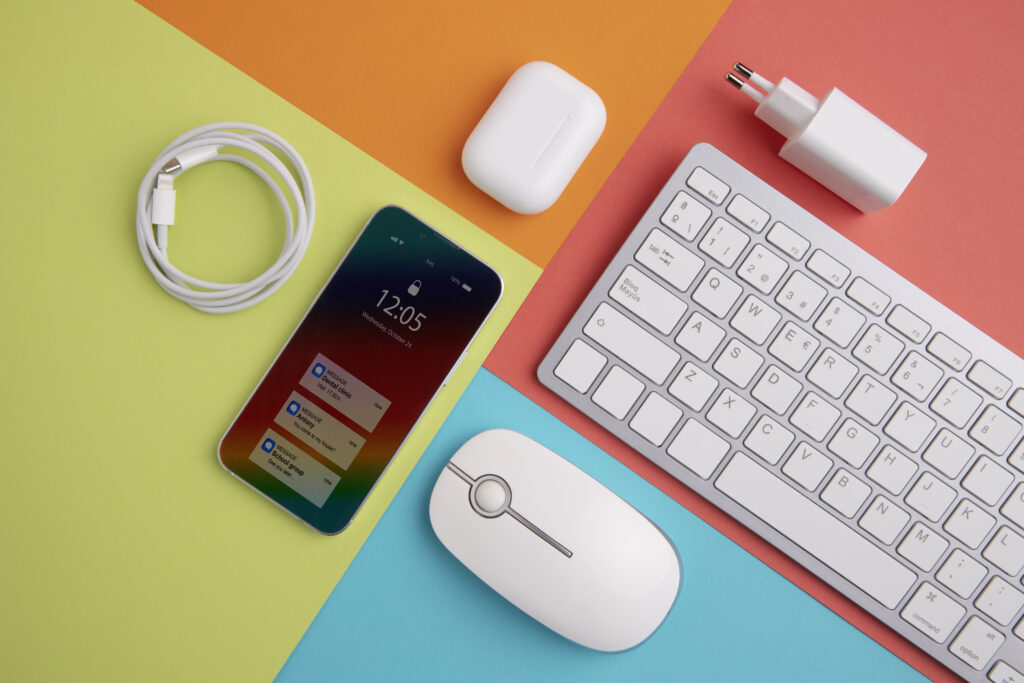
Top 10 Must-Have Gadgets — Quick Comparison
The quick comparison below offers a concise snapshot of each gadget’s category, core benefit, typical power needs, and price range to help you decide quickly.
| Gadget | Category | Core Benefit | Battery/Power | Price Range |
|---|---|---|---|---|
| Smartphone | Mobile device | All-in-one communication and app access | 8–24 hours | 399–1200 USD |
| Wireless earbuds | Audio accessory | Hands-free calls and premium sound, compact for daily commutes | 6–8 hours per charge; case 24–36 hours | 50–250 USD |
| Fitness tracker | Wearable | Tracks activity and health metrics with reminders | 5–7 days on standard models | 40–150 USD |
| Smartwatch | Wearable/Smart device | Quick access notifications and health tracking with apps | 1–2 days typical | 150–600 USD |
| Portable charger | Power accessory | Keeps essential devices powered on the go | 1–2 full charges for most phones | 20–80 USD |
| Bluetooth speaker | Audio | Rich sound for home or on the go | 6–20 hours depending on model | 25–199 USD |
| Streaming device | Media device | Instant access to streaming services on any TV | Always-on power, low energy; 5–15 W idle | 25–90 USD |
| Home assistant | Smart home hub | Voice control and automation for routines | Always-on, low energy; needs network | 40–200 USD |
| E-reader | Reading device | Glare-free reading with long battery life | Weeks on a single charge | 60–350 USD |
| Drone | Aerial camera | Captures high-quality photos and video from unique angles | 15–30 minutes flight time per charge | 299–999 USD |
This snapshot highlights value across everyday tasks, from mobile connectivity to home entertainment and on the go charging.
Why these gadgets make everyday life easier
These examples illustrate how everyday tasks are simplified through thoughtful design and cross-device compatibility. The list below highlights practical benefits and common scenarios for each category.
- Smartphones and wireless earbuds streamline communication, navigation, and on-the-go entertainment, letting you manage calls, messages, and media without constantly reaching for different devices in crowded spaces.
- Wearables like fitness trackers and smartwatches convert daily activity into actionable insights, motivating healthier routines and enabling quick health checks without pulling out a phone during busy days.
- Portable power banks and reliable chargers keep essential devices powered on the go, reducing anxiety about dead batteries and missed opportunities during travel and long workdays.
- Home assistants and streaming devices simplify media, schedules, and smart home routines, allowing you to control lights, thermostats, and entertainment hands-free from across rooms.
- Portable entertainment and reading gear, such as e-readers and compact Bluetooth speakers, provide access to knowledge and enjoyment in places where larger devices aren’t practical.
These capabilities combine to create smoother routines, less stress, and more time for what matters.
How we selected and tested these gadgets
Selection began by outlining real-life use cases across home, commute, work, and leisure. We prioritized a balanced set of devices that address core daily tasks: communication, productivity, media, wellness, and smart home management. The goal was to spotlight items that deliver meaningful value, not just novelty, emphasizing reliability, ease of use, and consistent performance in typical environments—home, office, car, and outdoor settings. We reviewed official specs, user feedback, and independent testing to filter options with solid records. To avoid bias, we compared models across multiple price bands and ensured representation of mainstream brands and emergent innovators.
Hands-on testing focused on setup simplicity, daily interaction, and battery life, using standardized scenarios. For smartphones and wearables, we evaluated onboarding time, app quality, notification reliability, and comfort. For audio and streaming devices, we measured clarity, range, latency, and streaming stability. For chargers and power banks, we verified capacity claims, charging speed, and durability during travel. For cameras and drones, we tested image quality, stabilization, flight safety features, and firmware responsiveness while monitoring heat and latency.
We also assessed security practices, including encryption standards, firmware update frequency, and account protection features—criteria that matter across digital ecosystems, from smart home platforms to entertainment services such as Slotsvader Casino. This broader lens ensures that recommended devices not only perform well but also integrate safely and reliably into modern connected lifestyles.
We also examined longevity and service terms, including warranty and software updates. Security and privacy considerations were discussed, with emphasis on permissions and data handling. We compared energy efficiency for always-on hubs and streaming devices. To reduce bias, we used blind notes during early evaluations and cross-checked findings with third-party reviews. Finally, we assessed ecosystem compatibility with iOS, Android, and major smart-home platforms through straightforward setup and dependable interop.
Overall, these tests emphasize reliable performance, easy setup, and real-world usefulness, ensuring the final picks deliver tangible benefits rather than marketing hype.

Smart Home Essentials: Devices, Features, and Comparisons
Smart home ecosystems shape how easily devices communicate, how you manage routines, and how voice assistants respond to requests. The best setups balance reliability with privacy, and reward you with smoother daily tasks rather than complexity. By comparing core categories such as speakers, lighting, security, and integration, you can build a cohesive system that supports convenience and safety. This section highlights practical features, typical use cases, and key trade offs to guide smarter purchases and future expansion. With a clear framework, you can select gadgets that align with your routines, space, and privacy preferences.
Smart speakers and displays: features to look for
When choosing smart speakers and displays, prioritize how the device handles voice control, privacy, and integration with other smart home gear.
- Robust voice assistant support across popular platforms (Alexa, Google Assistant, or Siri) to handle tasks hands-free, set reminders, pull up information, and control devices with natural language.
- Clear, high-quality audio with a strong microphone array for reliable voice pickup in busy rooms and multiple people, plus adaptive beamforming to reduce noise.
- Smart home hub capabilities to manage routines, scenes, and device groups from a single interface, reducing app-switching and latency significantly.
- Privacy controls and physical mute switches to safeguard conversations and limit data collection when needed, plus local processing options to enhance security.
- Multi-room audio and synchronized audio playback improve simultaneous listening across spaces, with easy grouping and reliable Bluetooth or Wi-Fi streaming.
- Compatibility with routines, third-party services, and smart home platforms ensures seamless automation and voice control across devices without lock-in or complex setup.
A good model balances audio quality, responsiveness, and ecosystem openness to fit daily routines and entertainment needs.
Smart lighting and thermostats: comfort and savings
Smart lighting and thermostats play a central role in daily comfort and energy efficiency. Choosing LED fixtures with dimming capabilities and color temperature control can create a welcoming atmosphere while reducing electricity use. Look for tunable whites, warm-to-cool ranges, and compatibility with voice control for hands-free adjustments throughout the day. For thermostats, prioritize learning algorithms that adapt to your schedule, occupancy sensing, and easy zoning to avoid heating or cooling empty rooms. Smart lighting scenes and automations can reduce energy by turning lights off when you leave a room or lowering brightness during daylight hours. Integration with schedules, geofencing, and occupancy data helps tailor comfort without requiring manual input, making daily living smoother. In practice, set up morning wake-up scenes, evening mood lighting, and energy-saving modes that automatically trigger based on time, motion, or geo-location. Many smart lighting systems offer daylight harvesting capabilities, adjusting intensity based on ambient light measured by built-in sensors or connected daylight sensors. Thermostats with adaptive learning can reduce heating and cooling cycles by predicting occupancy patterns, leading to measurable savings over seasonal changes. Automation rules, such as turn off lights when no motion is detected for 15 minutes, help minimize waste while enhancing security. Color temperature presets can simulate natural circadian rhythms, supporting better sleep and alertness by aligning lighting with the time of day. Smart thermostats can integrate with window sensors to avoid wasting energy cooling rooms that are unoccupied or not yet heated to a comfortable level. You can also pair lighting with occupancy-based scenes to gradually illuminate spaces as you enter, creating a welcoming, energy-efficient environment. For renters or tech-light households, modular modules that plug into existing fixtures provide upgrade paths without full rewiring. Budget planning for smart lighting and thermostats often focuses on upfront costs versus long-term savings, so consider payback periods and potential rebates. Simplicity and reliability matter.
Security devices: cameras, smart locks, and monitoring
Security devices form the backbone of proactive home protection, blending video monitoring with access control to deter risk and improve peace of mind.
| Model | Camera Type | Storage | Subscriptions | Key Features |
|---|---|---|---|---|
| Nest Cam (Battery) | Battery-powered, indoor/outdoor | Cloud-only via Nest Aware | Monthly fee required for video history | Solid night vision; integrates with Google Home |
| Arlo Pro 4 | Wireless, 2K HDR | Cloud + optional local | Subscription needed for advanced analytics | Works well in mixed environments; color night vision |
| Ring Stick Up Cam | Indoor/outdoor; PoE optional | Cloud with Ring Safe; local storage via Ring Alarm | Ring Protect plans required for video history | Easy setup; strong third-party integrations |
When selecting, consider latency, storage costs, and privacy controls to avoid unexpected expenses or data exposure. Also verify compatibility with existing hubs and emergency response workflows.
Integration and compatibility: ecosystems compared
Smart home ecosystems shape how easily devices communicate, how you manage routines, and how voice assistants respond to requests. Apple’s HomeKit emphasizes privacy, on-device processing, and strong accessory verification, but it can be more restrictive for third-party devices that lack official HomeKit support. Google Assistant offers broad compatibility across many brands, strong natural-language understanding, and seamless integration with Android devices and Google services, though privacy settings require regular review. Amazon Alexa provides the widest device ecosystem and flexible routines, with dozens of compatible smart home products and Skills, yet users sometimes encounter uneven performance in multi-brand setups. Cross-compatibility is often achieved through hubs or bridging devices that support multiple ecosystems, or by selecting devices that advertise Works with programs. When evaluating devices, consider setup complexity, required apps, and how you prefer to issue voice commands or tap routines. If you want to control lights, cameras, and sensors from one app and use your phone to manage schedules, a multi-brand approach with a central hub may be more convenient. Conversely, a single-vendor approach can offer deeper integration, polished automations, and streamlined firmware updates. Important factors include latency between commands and actions, the reliability of routines, and how privacy controls are implemented across ecosystems. In practice, many households find a hybrid approach works best: you might use HomeKit for secure devices, Google Assistant for family members devices, and Alexa for entertainment devices or third-party skills. Consider whether devices support local control without cloud dependency, which can improve privacy and reduce latency during power outages or network issues. Check how firmware updates are delivered and whether automatic updates might disrupt existing automations or require reconfiguration. If you rely on voice commands, test how fast the assistant responds to questions, weather queries, or security alerts in busy environments. Finally, review data handling policies and opt-in settings to minimize profiling while enjoying the convenience of a connected home. A practical approach is to start with a core set of compatible devices and gradually expand as you verify reliability. Document your routines and regularly audit permissions to keep the system responsive and secure.
Portable Tech for On-the-Go: Specs, Benefits, and Use Cases
We live in a world where mobility and efficiency matter more than ever. This section highlights portable tech that combines battery life, smart features, and simple integration into a busy schedule. From charging essentials to wearable devices and travel friendly audio, these gadgets help you stay powered and connected without weighing you down. Knowing specs like capacity, efficiency, and compatibility helps you pick gear that fits your on the go lifestyle. Read on to discover why these gadgets belong in every modern toolkit.
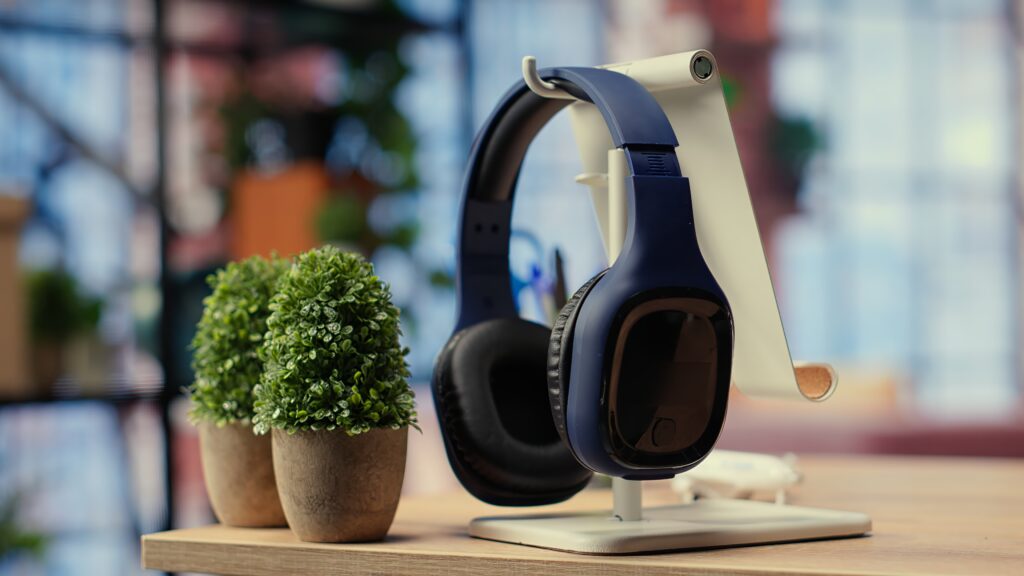
Portable chargers and power banks: capacity, ports, and spee
When evaluating portable chargers, the right balance of capacity, ports, and speed determines how reliable they are for daily use.
- Consider high capacity models that extend device use for several days, such as 20,000mAh or more, which can recharge smartphones multiple times between trips.
- Opt for multiple ports or USB-C PD outputs to power a phone, tablet, or earbuds simultaneously without slowing down charging.
- Pocketable options under 250 grams prioritize portability while still delivering 18W to 30W fast charging when you need it on the move.
- Rugged or water resistant builds help protect electronics during travel and weather, increasing reliability for daily commutes and outdoor adventures.
Choosing a model with the right mix of these features helps you stay powered through commutes, flights, and long workdays.
High-capacity power banks (20,000mAh+)
High-capacity power banks deliver reliable energy for long stretches when access to outlets is scarce. A 20,000mAh battery can recharge a modern smartphone multiple times and still have juice left for a tablet or compact camera. When selecting these packs, consider the energy density and the chemistry used in the cells, as these factors influence performance and safety. Look for USB-C or USB-PD outputs that support fast charging, as well as at least one USB-A port for legacy devices. A larger pack is not always better if it is heavy or awkward to carry, so balance capacity with weight and the form factor that fits your bag. Some models offer pass-through charging, allowing you to charge the bank while it powers devices, which is useful on travel days with several gadgets.
Size and weight matter because 20,000mAh can still feel bulky in a daypack. Choose a rugged, impact resistant shell if your routines include hiking or crowded airports. Many high capacity banks include digital readouts showing remaining percentage and estimated recharge time, helping you plan the next stop at a cafe or gate. Fast charging is not just about max watts; it is also about compatibility between the charger, cable, and device. Check whether the bank outputs support Power Delivery or Quick Charge and ensure your devices can negotiate the higher voltage without overheating. Finally, consider warranty length and brand reputation, since cells degrade with use and cheaper models may show rapid capacity loss after a few cycles.
With the right features, a high capacity power bank becomes less about bulk and more about dependable energy on the road, enabling longer days without anxiety about finding an outlet. In practice you will appreciate a model that shows clear indicators for charge status, a comfortable grip, and a reliable cable that does not fail after a few uses. For travelers and remote workers, the best choice balances capacity with weight and cost, while ensuring the hardware supports common charging protocols across devices. Keeping the bank charged before a long journey and recharging it during stretches at the airport lounge can turn a stressful travel day into a smoother routine.
Lightweight fast-charge power banks
Lightweight fast-charge power banks are ideal for everyday carry because they provide essential power without adding noticeable bulk. These packs use compact cells with high energy density and USB-C Power Delivery, typically delivering 15W to 30W. Even with a small footprint they can refill a smartphone during a short commute or a layover, keeping you in touch and productive. Look for models that keep weight around 100 to 180 grams and fit easily in a pocket or slim bag. Good indicators such as an LED readout or color coded status lights help you know when to recharge.
To maximize portability without sacrificing speed, choose a model with a single USB-C PD port and a USB-A port as a backup. Also pay attention to cable quality, since a flimsy cable can limit charge rates or fail during travel. Many lightweight packs now include safety features such as short-circuit protection and temperature monitoring, making them safer to carry in a bag with keys and coins.
Battery longevity is also important, so examine the rated cycle life and how well the design maintains capacity after repeated use. Favor cells with robust construction and a reputable warranty to ensure performance over time.
Noise-cancelling headphones and earbuds for travel
Noise cancelling headphones and earbuds for travel maximize quiet in crowded cabins, busy terminals, and noisy streets. A strong ANC system reduces engine rumble and cabin noise without making audio sound dull, while transparency or ambient modes let you hear announcements and conversations when needed. Look for a comfortable seal and light weight, because long flights demand extended wear without pressure or hotspots. Battery life matters for all day trips, so check how many hours of listening you get at typical volumes and how quickly the buds or cans recharge on arrival. For calls, choose models with reliable microphones and wind noise reduction that work well in crowded places, and verify that multipoint pairing works smoothly with your phone and laptop.
Wired or wireless options offer different trade offs. True wireless buds are ultra portable but may present pairing quirks or a higher price, while over ear models typically deliver richer sound and longer battery life at the cost of bulk. If you travel with a bag of gadgets, consider a model with a comfortable clamp or headband design and optional memory foam ear cushions for fatigue reduction. Look for codecs such as AAC or aptX while checking for LDAC on compatible devices to improve wireless audio quality. Finally, consider how the headphones perform when you are moving through security lines or boarding zones, and whether the case provides reliable protection and easy recharging on the go.
Durability and warranty should not be an afterthought, especially if you frequently travel with your gear. Water resistance, drop tests, and a solid carry case can extend life, while a generous warranty signals confidence from the maker. Price ranges vary widely, but investing in a dependable pair with solid comfort, dependable ANC, and good microphone performance will pay off on longer trips when you need to focus or stay connected.
Wearables for life on the go: smartwatches and trackers
Wearables for life on the go blend fitness tracking, quick notifications, and hands free control into a compact package. Smartwatches provide glanceable information such as steps, heart rate, and calendar alerts, while trackers track daily activity and sleep patterns in a more minimal form. When selecting a wearable, consider the kind of core features you use most: do you want GPS tracking for runs, a loud alarm, or the ability to respond to messages from your wrist? Battery life is a central trade off; more sensors and GPS mean more power draw, so balance your daily routine with the expected charge cycle. Look for devices that support independent music playback, offline maps, and voice assistants, all of which help you stay productive away from your phone.
Notifications on the go should be timely and unobtrusive. A wearable that mirrors critical phone alerts, controls smart home devices, and triggers quick replies makes life easier, but a cluttered watch face or frequent vibration can be distracting. Ensure the device you choose pairs well with your phone’s ecosystem, including app availability on iOS or Android and support for popular health and fitness services. Water resistance and durable materials matter if you hit the gym, office, or travel with your device in rain or sweat. Evaluate the ease of charging the wearable itself, as some models require a separate cradle while others magnetically attach to a small dock.
Fitness tracking features should meet your real world needs. Heart rate monitors, SpO2 sensors, and sleep tracking can provide insights, but they are only useful if the data you receive is accurate and actionable. Look for devices that calibrate quickly after setup and provide reliable GPS for distance and pace without excessive battery drain. Battery life varies widely, so consider your typical day: would you rather charge every night or simply top off during a work break? Some wearables offer standby modes to extend life during long trips; others unlock more features when you pair with a companion app and grant location access or permission to read notifications. Finally, factor in the overall ecosystem: the number of compatible apps, the ease of firmware updates, and the availability of accessible customer support.
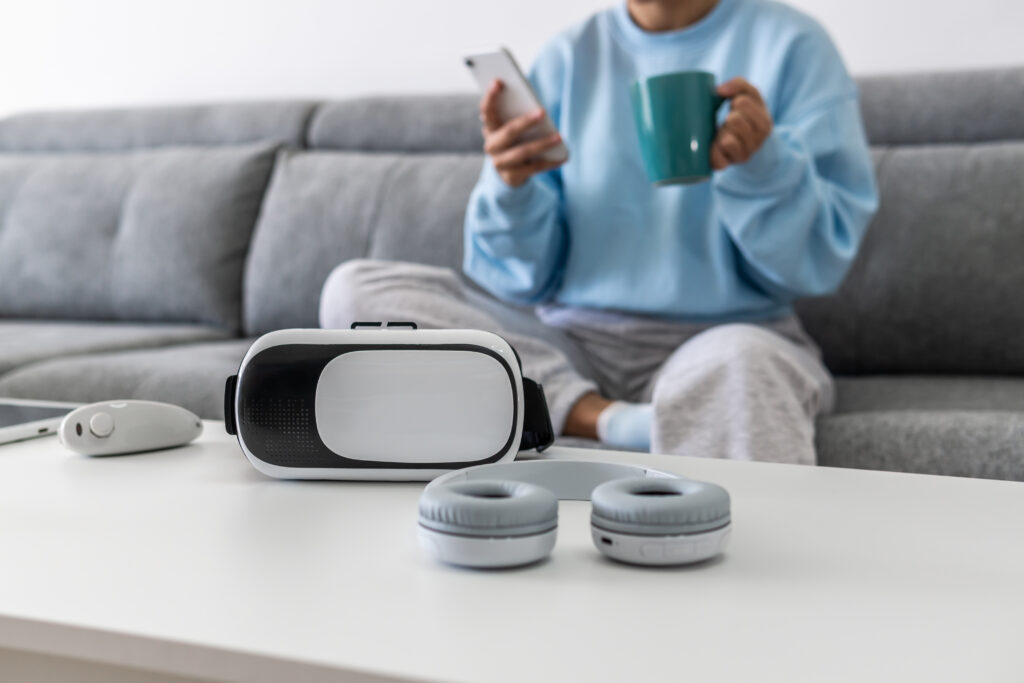
Deals, Warranties, and How to Choose the Right Gadget
Navigating the world of gadgets isn’t just about chasing the latest features; it’s about maximizing value, protection, and long-term satisfaction. This section dives into how to spot deals, understand warranties, and choose devices that genuinely fit your daily routines. From smartphones and wireless earbuds to smart home assistants and streaming devices, smart buying starts with clear needs and a realistic budget. We’ll highlight practical tips for getting the most for your money, including timing purchases, evaluating warranties, and recognizing when a gadget’s promise justifies its price. By focusing on deals, protections, and thoughtful selection, you can upgrade your toolkit without overpaying or experiencing buyer’s remorse.
How to evaluate value: features vs price
Value in gadget shopping rests on balancing the features you actually need, how well a device performs those tasks, and what you pay to get them. When evaluating a Smartphone, you consider battery life, camera quality, processing speed, display durability, and software support, but you should also weigh resale value and ongoing costs such as storage upgrades and accessories. For Wireless earbuds, comfort and fit are essential, as are battery life and active noise cancellation; you should also check compatibility with your phone and how updates will be handled. For wearables like Fitness trackers and Smartwatches, you assess health-tracking accuracy, battery longevity, app ecosystem, and how often firmware is updated, comparing these against the upfront price. By focusing on true utility rather than hype, you avoid paying for features you won’t use.
Where to find reliable deals and best times to buy
Deals start with knowing when prices drop and how retailers run promotions. Prime Day, Black Friday, back-to-school seasons, and end-of-quarter clearances create meaningful opportunities, but not every discount is a true bargain. Look for direct price cuts, bundle offers, and refurbished options from reputable sellers to stretch your budget. Before you buy, compare the sale price to recent history using price trackers and set alerts for your favorite models, including smartphones, wireless earbuds, streaming devices, and home assistants. In practice, a patient purchase often beats rushing to the first deal, especially when you can wait for a retailer to offer price protection or a temporary cashback incentive from your credit card or a reputable cashback site.
Warranty, returns, and consumer protections to check
Return windows and warranty coverage are core protections that determine how much risk you take on a purchase. Start by distinguishing between manufacturer warranties that cover defects for a set period and retailer warranties that may extend coverage or add practical benefits like easier returns. Look for extended plans only if they address likely future costs you would incur, such as screen repairs or battery replacement. Check the exact terms: what is covered, what isn’t, whether accidental damage is included, and whether coverage transfers if you upgrade the device. For electronics, confirm the process for making a claim and whether service requires you to use authorized centers. Finally, compare warranty cost against estimated repair costs to decide if it’s worth it for your use case.